
Technology
5 ON YOUR SIDE: November deals
By Marcus Chen
Advertisement · Why this ad?
Marcus manages the day-to-day editorial workflow across all brands, coordinating coverage assignments and ensuring editorial standards are met. He previously served as city editor at the Pioneer Press and holds a degree in Political Science from Carleton College.
More from Marcus →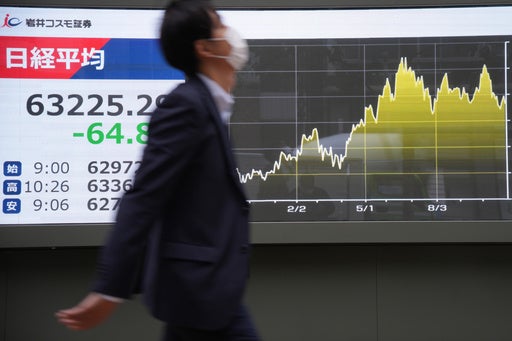
As the sun rose over Minneapolis on a crisp November morning, the bustling city was abuzz with anticipation. Investors, traders, and everyday citizens alike were hopeful as U.S. futures showed signs of recovery following a significant market sell-off last week. The rebound was fueled by a sharp decline in oil prices, sparking optimism about potential diplomatic advancements between the U.S. and Iran.
U.S. futures made a notable comeback on Monday, with the S&P 500 climbing 0.5%, the Dow Jones Industrial Average rising 0.6%, and Nasdaq futures increasing by 0.8%. This recovery comes on the heels of a tumultuous Friday, where the market experienced its worst day since June, primarily driven by a mass sell-off of artificial intelligence and tech stocks. Investors expressed growing concerns that the substantial investments in AI technology would not yield immediate returns.
Amidst this volatility, major tech companies are set to release their earnings reports, with Apple and Palantir Technologies reporting after the closing bell on Monday, while Advanced Micro Devices is scheduled to follow suit on Tuesday. The prior week had already rattled markets with earnings reports from Google parent Alphabet Inc. and Amazon, both of which raised doubts regarding their heavy spending in AI-related initiatives.
On the energy front, oil prices took a significant hit, with Brent crude, the international benchmark, dropping 4.2% to $108.68 per barrel. This decline is noteworthy, especially considering that oil was selling for approximately $65 per barrel just a year ago. Benchmark U.S. crude mirrored this trend, falling 4.2% to $99.74 per barrel, down from $61 a year prior. This drop in oil prices is a vital factor in the market's rebound, as it alleviates some inflationary pressures that have been weighing on consumers and businesses alike.
The decline in oil prices coincides with ongoing diplomatic efforts between the U.S. and Iran. Iran's top diplomat indicated that negotiations were taking place in Qatar regarding a proposal that could potentially reopen the Strait of Hormuz within two days, contingent upon the U.S. addressing several Iranian conditions. Although no direct talks are currently occurring between the two nations, the possibility of progress has given investors hope.
The outcome of these diplomatic efforts is crucial, as it could influence global oil supply and prices significantly. The Iranian diplomat emphasized that the future of these discussions hinges on the responses provided by the U.S. to specific Iranian inquiries. This uncertainty adds an additional layer of complexity to the market landscape.
Wall Street's eyes are also trained on the upcoming U.S. midterm elections, set to take place on Tuesday. Voter sentiment is increasingly focused on pressing issues such as AI, data centers, inflation, and the overall economy. The elections could have significant implications for regulatory approaches to technology and energy sectors, impacting stock performance in the months to come.
Adding to the market's anticipation is the critical economic data set to be released on Friday, when the government unveils its October jobs report. The previous month saw a disappointing addition of only 29,000 jobs, and the unemployment rate ticked up to a still-low 4.2%. Investors are eager to see if the job market shows signs of improvement or if the economy continues to face challenges.
Across the Atlantic, European markets reflected a cautiously optimistic tone. The FTSE 100 in Britain gained 0.1%, reaching 10,736.14, while Germany’s DAX climbed 0.1% to 25,847.97. France’s CAC 40 added 0.2%, closing at 7,988.21. Meanwhile, Asian markets mostly trended higher, suggesting a broader global market recovery.
The U.S. dollar also saw an uptick, rising to 157.91 Japanese yen from 157.49 yen, while the euro traded at $1.1211, an increase from $1.1160. These shifts indicate a strengthening dollar, which can influence international trade and investment decisions.
The fluctuations in the stock market and oil prices have real implications for Minneapolis residents. As oil prices drop, consumers may experience relief at the pump, which can stimulate spending in other areas of the economy. Additionally, stable job growth and a robust stock market can foster a sense of security for families, encouraging them to invest in their futures.
Local businesses are also closely monitoring these developments. Many small businesses rely on stable energy prices and consumer confidence to thrive. As the economy shows signs of recovery, we may see increased hiring and expansion efforts within the community, fostering a stronger local economy.
Moreover, the impact of these economic shifts extends beyond just financial metrics. Community leaders, such as Minneapolis Chamber of Commerce President Jonathan Weinhagen, have expressed optimism about the potential for job creation and economic stability. "When consumers feel secure, they spend more, and that directly benefits local businesses and the overall economy," Weinhagen noted in a recent statement.
As the market navigates these turbulent waters, the focus remains on the upcoming midterm elections and the potential for diplomatic breakthroughs with Iran. Investors and residents alike are hopeful that these developments will pave the way for a more stable economic environment. The outcome of the elections could reshape policies that impact technology and energy sectors, while diplomatic negotiations may influence oil prices and market stability.
In the meantime, Minneapolis residents can take solace in the resilience of their local economy. Strong families, committed partnerships, and a shared vision for the future can help the community weather these economic fluctuations. As we look forward to the coming weeks, the hope is that progress in both diplomacy and economic indicators will lead to a brighter outlook for all.
Community engagement will also play a critical role in shaping the future. Local organizations and advocacy groups are mobilizing to ensure that residents' voices are heard during the midterm elections. Initiatives aimed at educating voters about the implications of economic policies on their lives are gaining traction, further empowering the community.
As Minneapolis moves forward, the interplay between national and local economic trends will be closely monitored. The collaboration between residents, businesses, and policymakers will be essential to navigate the challenges ahead and seize opportunities for growth and improvement.
By Marcus Chen

By Marcus Chen
By Marcus Chen

By Katherine Langford