Community
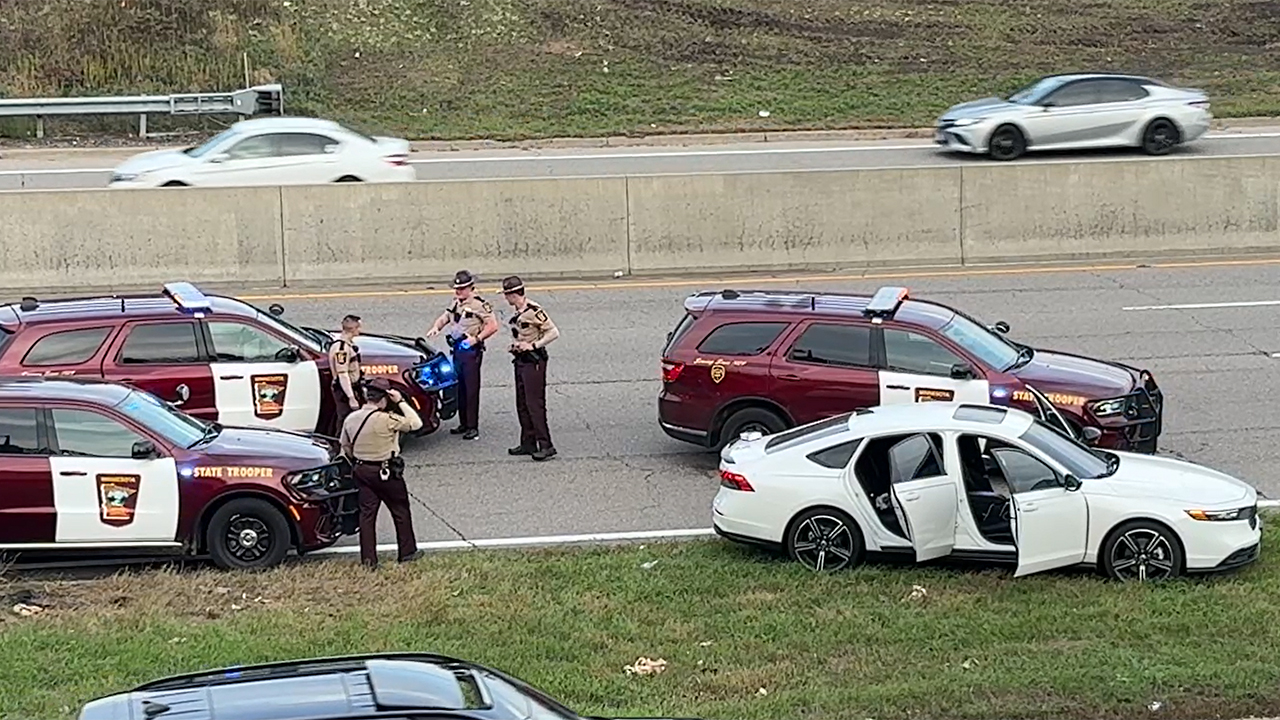
Highway 100 shooting stemmed from 'Muddy' rival gang dispute: Charges
By Marcus Chen
Advertisement · Why this ad?
Marcus manages the day-to-day editorial workflow across all brands, coordinating coverage assignments and ensuring editorial standards are met. He previously served as city editor at the Pioneer Press and holds a degree in Political Science from Carleton College.
More from Marcus →
In a quiet Minneapolis neighborhood, a man’s online threats shattered the peace, revealing how dangerous political violence has become in America’s heartland. Tyler Maxon Avalos, 30, faces the possibility of years behind bars after posting a chilling TikTok offering a $45,000 bounty on former U.S. Attorney General Pam Bondi. His words, posted publicly and flagged by a vigilant citizen in Michigan, underscore a disturbing trend: political threats crossing state lines and threatening the fabric of American families and communities.
On October 9, 2025, an alert citizen reported Avalos’s TikTok to the FBI, citing a post that depicted Bondi with a sniper scope aimed at her forehead, alongside a reward offer of $45,000 “dead or alive.” The post, which also included a comment asking, “when they don’t serve us then what?”, was more than inflammatory — it was a direct threat. Investigators linked the social media profile @liminalvoidslip to Avalos, revealing a pattern of radicalized content and references to anarchist symbols.
The FBI’s investigation uncovered additional posts celebrating violence against political figures, including Charlie Kirk, and referencing Luigi Mangione, the alleged assassin of United Healthcare CEO Brian Thompson. Court documents show Avalos’s social media contained symbols associated with anarchist ideology, and his online activity included links to an “Anarchist FAQ,” revealing a troubling worldview rooted in chaos and violence.
These online activities are particularly alarming given the context of Minnesota’s own history of political activism and social unrest. The Twin Cities have long been a hub for political discourse, activism, and sometimes, extremism. The community’s response to this case reflects a broader concern about the rise of politically motivated threats and violence, which threaten to undermine the stability and safety of neighborhoods that have historically been pillars of social cohesion.
The verdict has sent ripples through the Twin Cities, a community that values faith, family, and stability. Many residents are alarmed that a threat of this magnitude could originate from someone with a criminal past, including felony stalking in 2022 and domestic battery convictions from 2016. “This isn’t just about politics,” said local pastor David Lee. “It’s about protecting our families and respecting the rule of law that keeps our communities safe.”
Minneapolis, often celebrated for its vibrant arts scene, diverse neighborhoods, and progressive values, now faces the challenge of addressing the rise of online radicalization and political violence. Community leaders, law enforcement officials, and faith organizations are increasingly collaborating to develop strategies that promote peace, understanding, and resilience. Local organizations such as the Minneapolis Police Department’s Community Engagement Unit are working to increase outreach and education about the dangers of online threats and the importance of community vigilance.
U.S. Attorney Daniel N. Rosen emphasized the importance of law enforcement’s role in safeguarding democracy. “Threatening violence in the political arena is a serious crime,” Rosen stated, noting that Avalos’s conviction is part of a broader effort to combat political extremism. Rosen pointed out that his office has secured convictions against individuals threatening judges, lawmakers, and even Supreme Court justices — a testament to the rising tide of political violence that challenges the American ideal of peace and order.
This case highlights the need for ongoing community dialogue about the impact of political extremism and the importance of fostering a culture of peaceful discourse. Minneapolis’s diverse population, which includes many immigrant communities, students, and working-class families, has historically been a city that values open debate and civic participation. Ensuring that these values are protected from the threats of violence is a shared responsibility among residents, local leaders, and law enforcement.
Prosecuted under 18 U.S.C. § 875(c), Avalos faces up to five years in federal prison, a fine, or both. The judge’s discretion will determine his sentence, which could serve as a warning to others contemplating similar threats. The case highlights the importance of community vigilance and strong legal action to uphold the values of justice and faith that bind families and neighborhoods together.
As the legal process unfolds, local leaders are calling for increased awareness and education about the dangers of online radicalization. Churches, schools, and community groups are urged to reinforce messages of hope, faith, and the importance of committed marriages that form the backbone of resilient families. “We must stand firm against those who seek to sow division,” said Pastor Lee. “Our faith teaches us to love our neighbor and cherish the stability of our households.”
Looking ahead, authorities plan to monitor social media more closely, aiming to prevent future threats before they escalate. The case of Avalos serves as a stark reminder that political violence can stem from anywhere, but communities rooted in faith and family can stand strong against it. Minneapolis, like many American cities, must continue to foster an environment where truth, justice, and genuine community bonds prevail over chaos and fear.
Local law enforcement agencies are also considering new policies to improve threat detection and response capabilities. The Minneapolis Police Department has increased its social media monitoring efforts, collaborating with federal agencies to identify potential threats early. This proactive approach aims to prevent incidents before they occur, protecting residents and maintaining public trust.
Community organizations are mobilizing to address the root causes of radicalization. Initiatives include youth outreach programs, mental health services, and community dialogues that promote understanding across different cultural and political groups. Faith leaders are emphasizing messages of unity, love, and respect, reinforcing the importance of community bonds in resisting divisive narratives.
Additionally, local schools are integrating lessons on digital literacy and civic responsibility into their curricula, equipping young people with the tools to navigate social media responsibly. These educational efforts are vital in fostering a generation that values peaceful activism and constructive engagement over violence and threats.
For residents seeking to understand their role in preserving safety and faith, resources are available through the Minneapolis Police Department and local faith organizations committed to promoting peace and stability. As the nation grapples with rising political tensions, the message remains clear: strong families, rooted in authentic faith, are our best defense against the chaos that threatens to divide us.
In conclusion, the Avalos case underscores the importance of vigilance, community engagement, and the rule of law in safeguarding our neighborhoods. As Minneapolis and communities across Minnesota continue to confront these challenges, their resilience and commitment to justice will be crucial in building a safer, more unified future.
By Marcus Chen

By Marcus Chen

By Katherine Langford

By Marcus Chen