Community
How to interpret Minnesota’s election results
By Katherine Langford
Advertisement · Why this ad?
Katherine oversees editorial operations across all six brands. Before joining The Meridan Group, she spent 14 years at the Minneapolis Star Tribune, where she led the metro desk through its digital transformation. She holds a Master's in Journalism from Northwestern's Medill School.
More from Katherine →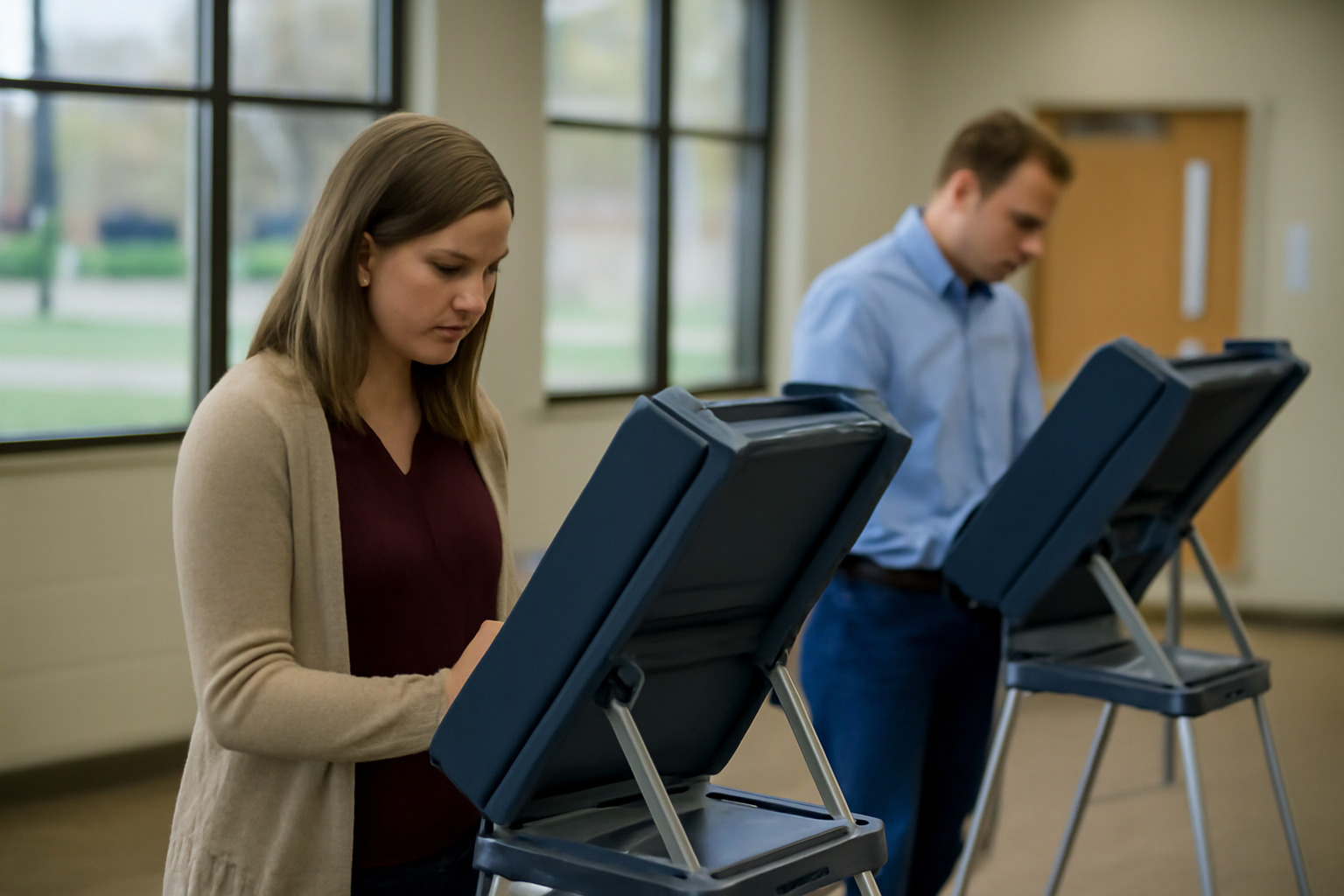
As the sun begins to set on Election Day in Minneapolis, the streets buzz with a palpable energy. Voters, having made their way to polling stations, clutch their ballots tightly, knowing that their choices will shape the future of their community. In a city known for its civic engagement, the anticipation builds not only for the results but for the implications those results will have on families, schools, and local governance.
On November 8, 2022, voters across Minnesota will head to the polls to cast their ballots in crucial races ranging from local city council positions to statewide offices. While most results will be available on the evening of the election, the timeline for finalizing close races can stretch well beyond Election Day. This year, with a record number of absentee ballots and early voting, the process is expected to be more complex than ever.
State officials, including Minnesota Secretary of State Steve Simon, have stated that while the majority of ballots will be counted on Election Night, some may not be tallied until days later due to the high volume of mail-in votes. This is particularly relevant in tight races where every vote counts. Voters are encouraged to track their ballots through the state’s online system to ensure their voices are heard.
Once polls close, election officials begin the meticulous process of counting votes. In Minnesota, election judges are responsible for overseeing the counting process, ensuring transparency and accuracy. The counting of absentee ballots is a critical aspect of this process, as these votes can significantly influence the outcome in closely contested elections.
According to the Minnesota Secretary of State's office, initial results will begin to roll in shortly after polls close at 8 p.m. However, comprehensive results that include absentee and mail-in ballots will not be finalized until later in the week. For example, in the 2020 election, many close races took several days to determine a winner, illustrating the importance of patience and understanding in the electoral process.
The stakes of the upcoming elections resonate deeply within Minneapolis communities. Local organizations, such as the Minneapolis Urban League and the League of Women Voters, have been working tirelessly to educate voters about the importance of their participation in the electoral process. With issues ranging from housing to education at the forefront, the outcomes of these elections will significantly impact the daily lives of residents.
Families in Minneapolis are particularly invested in these elections, as they seek leaders who prioritize education, public safety, and community development. The decisions made by elected officials can either foster a sense of stability or contribute to uncertainty in neighborhoods. This is why civic engagement is essential; it empowers residents to voice their concerns and influence the direction of their community.
For many in Minneapolis, the elections are not just about choosing officials; they are about choosing a vision for the future. Local resident and parent, Maria Gonzalez, expressed her hopes: "We need leaders who understand our struggles, especially in education and housing. Our children deserve a future where they can thrive." Community forums have been held throughout the city, allowing residents like Maria to voice their concerns and discuss the issues that matter most.
Community engagement is not limited to forums; it extends to grassroots organizations that have mobilized voters across the city. Groups such as the Minnesota Coalition on Government Reform and local neighborhood associations have been pivotal in reaching out to underrepresented communities, ensuring that everyone has a chance to participate in the electoral process. Volunteers have spent hours canvassing neighborhoods, providing information on candidates and issues, and assisting residents in understanding their voting rights.
One such volunteer, Ahmed Elmi, a member of the Somali community in Minneapolis, shared his motivation: "I want to make sure my community has access to the information they need. Many of us come from places where voting is not a right, so we must value this opportunity and make our voices heard." His efforts reflect a broader movement within the city to engage diverse populations in the democratic process.
As the election results start to come in, candidates and their teams prepare for the next steps. For those who win, the focus will shift to governing and fulfilling campaign promises. For those who do not, the challenge will be to unite their supporters and encourage continued civic involvement. The aftermath of an election can be a critical moment for community cohesion.
In Minnesota, the election process is designed to be transparent and fair. The state employs a risk-limiting audit process to verify the accuracy of election results. This means that a sample of votes is audited to ensure that the counting process is accurate. This audit, conducted by local election officials, is an essential safeguard that helps maintain public confidence in the electoral system.
After the results are announced, communities often come together to discuss the implications of the outcomes. Town hall meetings and community gatherings provide platforms for residents to express their views on the election results and what they mean for local issues. Activists and community leaders emphasize the importance of holding elected officials accountable and advocating for policies that reflect the needs of the community.
Local organizations are planning events to engage voters in discussions about the next steps. For instance, the Minneapolis Urban League is organizing a series of workshops aimed at educating residents on how to effectively communicate with their elected officials and advocate for their interests. These initiatives are crucial for fostering a culture of active citizenship that extends beyond Election Day.
As Minneapolis prepares for the upcoming elections, residents are reminded of the importance of their voices. Engaging in the electoral process is not just about casting a vote; it is about shaping the future of families and communities. As the results come in, the hope is that elected officials will prioritize the values that matter most to residents—strong families, community support, and the pursuit of the American dream.
The upcoming elections are particularly significant as they follow a tumultuous period in Minneapolis history, marked by social unrest and calls for reform. Community leaders have emphasized the need for elected officials who can navigate these challenges and work towards healing and rebuilding trust among residents. Local activist James Lee stated, "We need representatives who will listen to our community and advocate for real change, especially in the wake of the events that shook our city."
In conclusion, while Election Day may provide initial results, the true impact of these elections will unfold over time. As Minneapolis residents await the final outcomes, they are encouraged to remain engaged and informed, continuing to advocate for their needs and aspirations in the civic arena. The collective voice of the community will be crucial in shaping the policies that affect their lives long after the ballots are cast.
By Katherine Langford
By Marcus Chen

By Katherine Langford

By Katherine Langford