Community
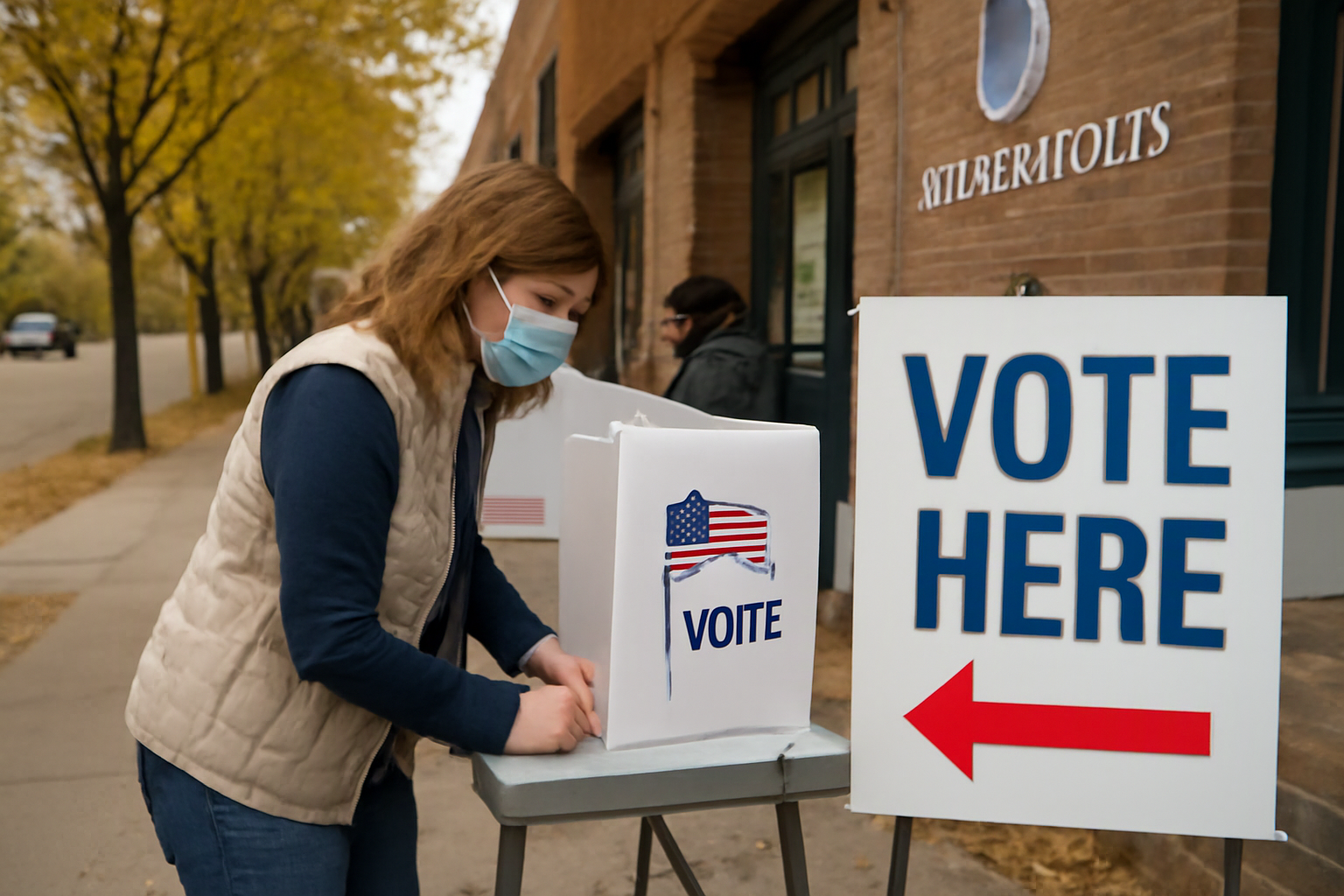
Minnesota led nation in voter turnout on Election Day
By Marcus Chen
Advertisement · Why this ad?
Katherine oversees editorial operations across all six brands. Before joining The Meridan Group, she spent 14 years at the Minneapolis Star Tribune, where she led the metro desk through its digital transformation. She holds a Master's in Journalism from Northwestern's Medill School.
More from Katherine →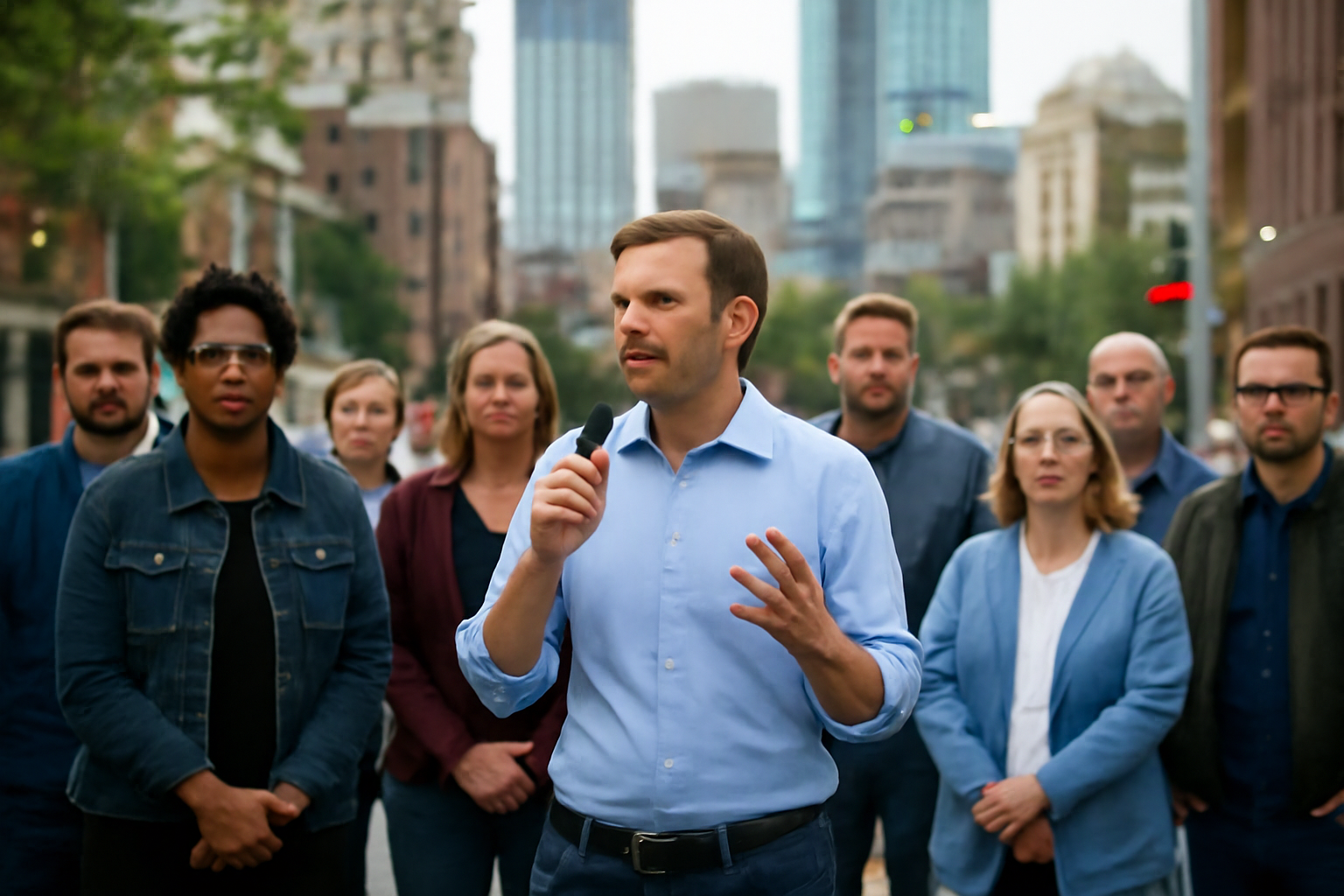
On a brisk November morning in Minneapolis, a palpable sense of anticipation filled the air as residents gathered at local coffee shops, eagerly discussing the recent election results. The votes had been counted, and the implications for Minnesota's political landscape were profound. The blue wave that swept through the state marked a historic shift, reclaiming control for the Democratic-Farmer-Labor (DFL) party across both legislative chambers. This shift is not just a political victory; it represents a pivotal moment for communities throughout Minnesota.
The recent elections in Minnesota resulted in significant victories for the DFL, who regained full control of the state government for the first time in nearly a decade. With the party winning key legislative seats, including a notable victory in the Senate, the implications for governance are substantial. This blue wave was not merely a reflection of voter sentiment but a powerful shift in the political dynamics of the state.
According to the Minnesota Secretary of State, the DFL secured an impressive number of seats, flipping several districts that had previously leaned Republican. This change signals a growing trend among voters who are increasingly concerned about issues such as healthcare, education, and climate change. The DFL's platform resonated with many Minnesotans, who are seeking comprehensive solutions to pressing challenges.
As the dust settles, the question remains: what does this blue wave mean for the everyday lives of Minnesota residents? The DFL's control could lead to significant legislative changes, impacting everything from taxation to social services. The implications of these changes will be felt across the state, particularly in communities that have long struggled with economic disparities.
The reaction to the blue wave has been mixed among Minnesota's diverse communities. Many residents expressed optimism about the DFL's potential to address long-standing issues. Local business owner Maria Thompson, who runs a family-owned bakery in Northeast Minneapolis, shared her enthusiasm: "I believe this change can bring new opportunities for small businesses like mine. A focus on community support and equitable policies could really help us thrive."
However, not all reactions have been positive. Some residents voiced concerns about the potential for increased taxes and government regulation. For instance, John Peterson, a lifelong resident of the suburbs, remarked, "While I understand the desire for change, I worry about the implications for my family's finances. We need to ensure that any new policies do not burden working families further."
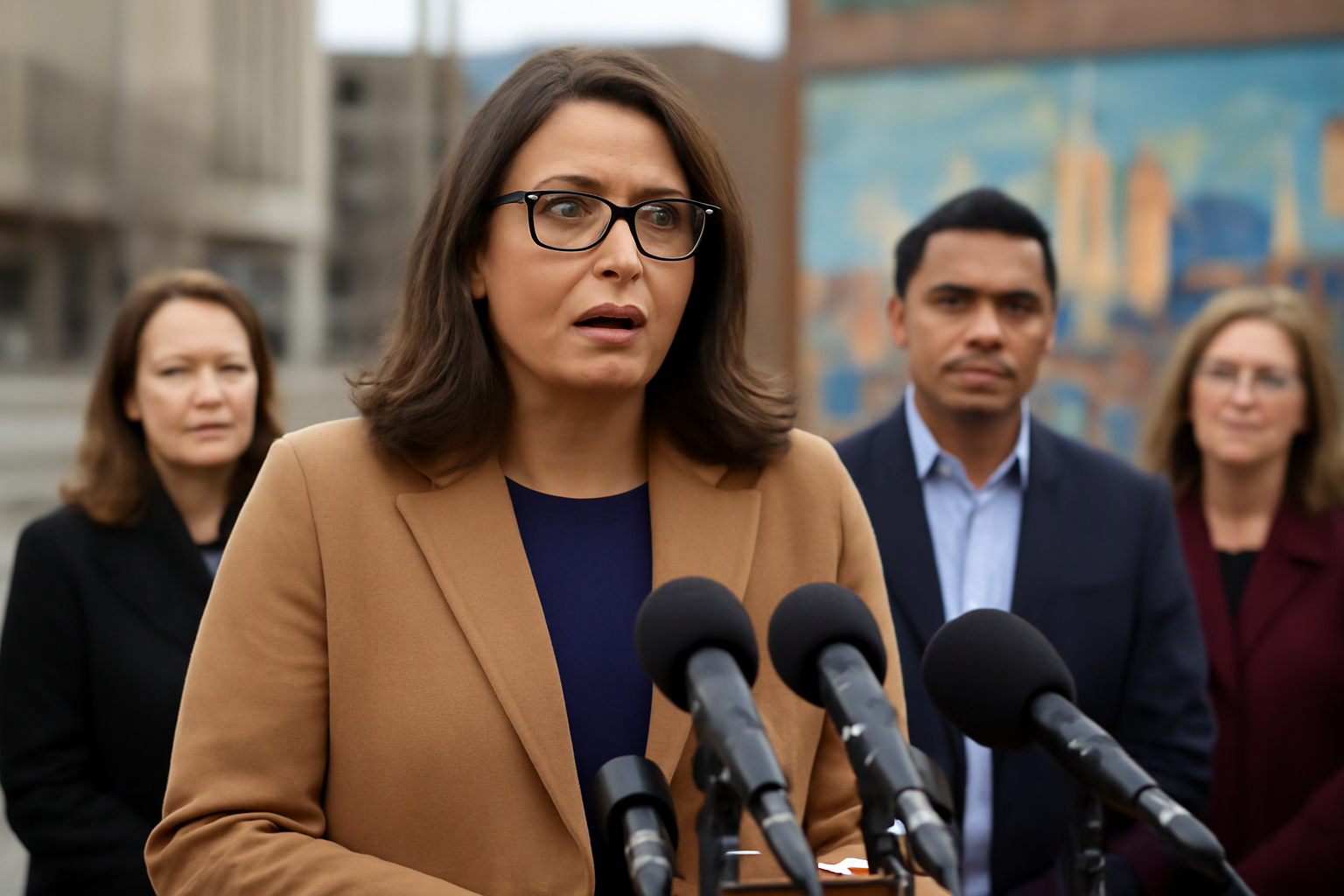
Community leaders have also weighed in on the election results. Reverend Sarah Collins of a local church in South Minneapolis emphasized the importance of unity and collaboration: "Regardless of political affiliation, we must come together to support our neighbors and work towards solutions that uplift our communities. The blue wave is an opportunity for dialogue and partnership, not division."
As discussions continue, it is clear that the blue wave has ignited a renewed sense of civic engagement among residents. Many are eager to participate in local governance and advocate for their needs. Grassroots organizations are mobilizing to ensure that community voices are heard in the upcoming legislative sessions, emphasizing the importance of representation and accountability.
Looking ahead, the DFL's control of the state government presents both opportunities and challenges. Legislators are tasked with addressing a myriad of issues, from healthcare reform to education funding. The upcoming legislative session will be crucial in determining how the DFL plans to implement its agenda and respond to the diverse needs of Minnesotans.
One of the key areas of focus will be healthcare. With rising costs and accessibility issues at the forefront of voters' minds, the DFL is expected to prioritize policies that expand coverage and reduce costs for families. This could include initiatives aimed at lowering prescription drug prices and increasing funding for mental health services.
Education is another critical issue that will likely take center stage. Many parents and educators are advocating for increased funding for public schools and support for early childhood education programs. The DFL's commitment to investing in education could shape the future of Minnesota's children and ensure that all students have access to quality learning environments.
To understand the real-world implications of these legislative changes, it is essential to highlight personal stories from across the state. Take, for example, the case of the Johnson family from Duluth. They have struggled with healthcare costs after a family member was diagnosed with a chronic illness. "Every month feels like a financial tightrope," said Lisa Johnson, the family matriarch. "We are hopeful that the DFL will prioritize healthcare reform so that families like ours can access the care we need without going bankrupt."
Similarly, in Rochester, local educators are rallying for increased funding to support special education programs. Teacher Emily Martinez shared her perspective: "We see firsthand the impact that adequate funding can have on our students. With the DFL in power, we are hopeful that our voices will be heard, and our students will receive the resources they deserve."
As Minnesota navigates this new political landscape, residents are encouraged to stay informed and engaged. Local organizations, such as the Minnesota Chamber of Commerce and the Minnesota Education Association, provide valuable resources for families and individuals seeking to understand the changes ahead.
Moreover, community forums and town hall meetings are excellent opportunities for residents to voice their concerns and engage with their elected officials. As the DFL prepares to take action on its agenda, it is vital for constituents to remain active participants in the democratic process.
The blue wave in Minnesota is more than just a political shift; it embodies a collective hope for a better future. Many families are looking to this moment as a chance to strengthen their communities and ensure that the American dream remains within reach for all. With the DFL in control, there is a renewed focus on policies that support strong families and promote economic stability.
As we reflect on the implications of this election, it is essential to recognize the importance of committed partnerships and authentic faith in building resilient communities. Minnesota's diverse families, whether they are newly arrived immigrants or long-time residents, share a common aspiration for stability, opportunity, and a brighter tomorrow.
In conclusion, the blue wave has ushered in a new era for Minnesota, one that holds promise for families and communities across the state. As residents come together to navigate this change, the focus must remain on fostering unity, collaboration, and a commitment to the values that bind us together as a society. The road ahead may be uncertain, but with engaged citizens and dedicated leadership, Minnesota is poised to embark on a journey toward a more inclusive and prosperous future.
By Marcus Chen
By Marcus Chen

By Katherine Langford

By Marcus Chen